You are dealing with the LkSG for the first time?
As a supplier, you are facing new requirements?
You are looking for support in implementing the LkSG?
OBLIGATIONS ALONG THE ENTIRE SUPPLY
CHAIN
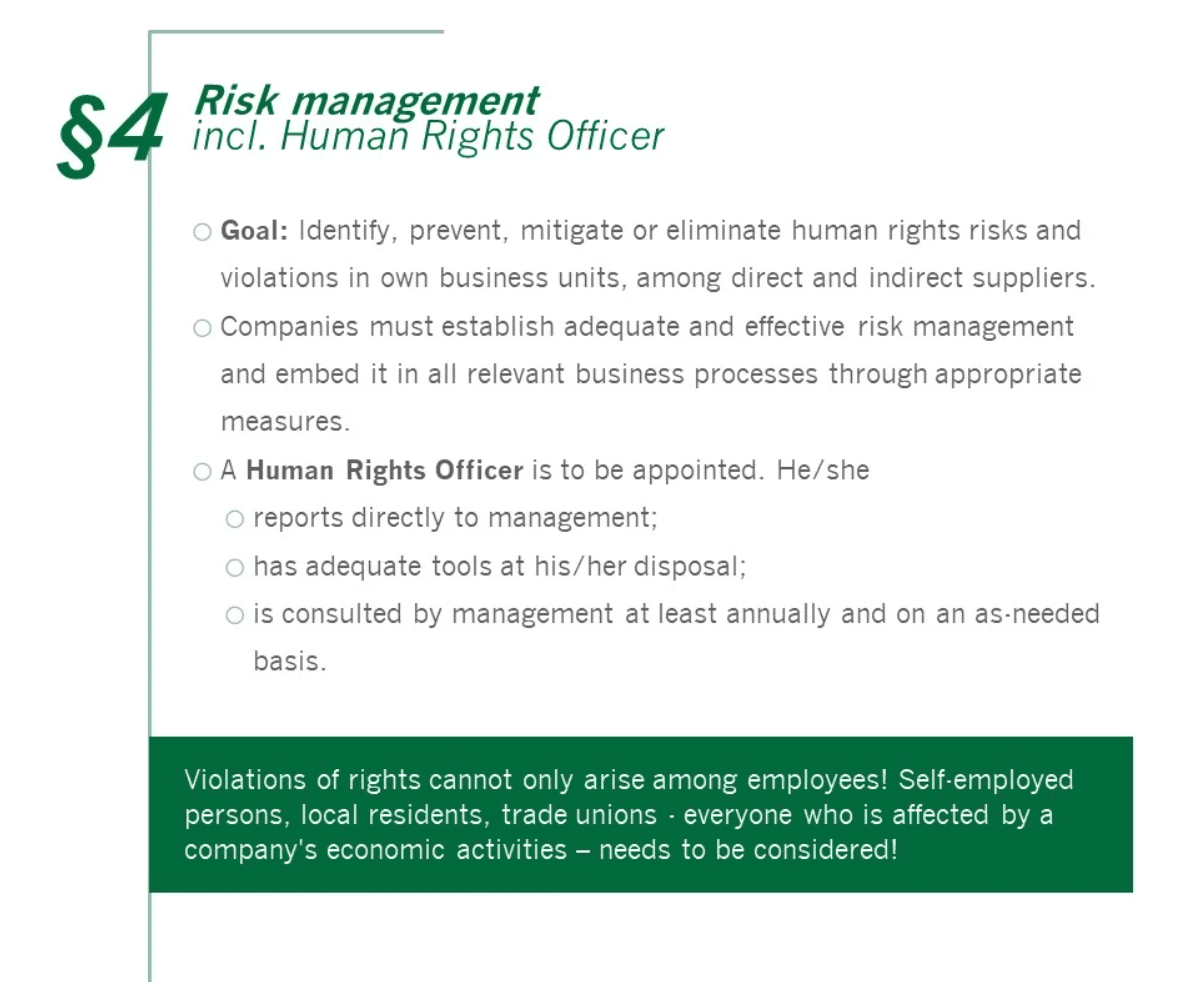
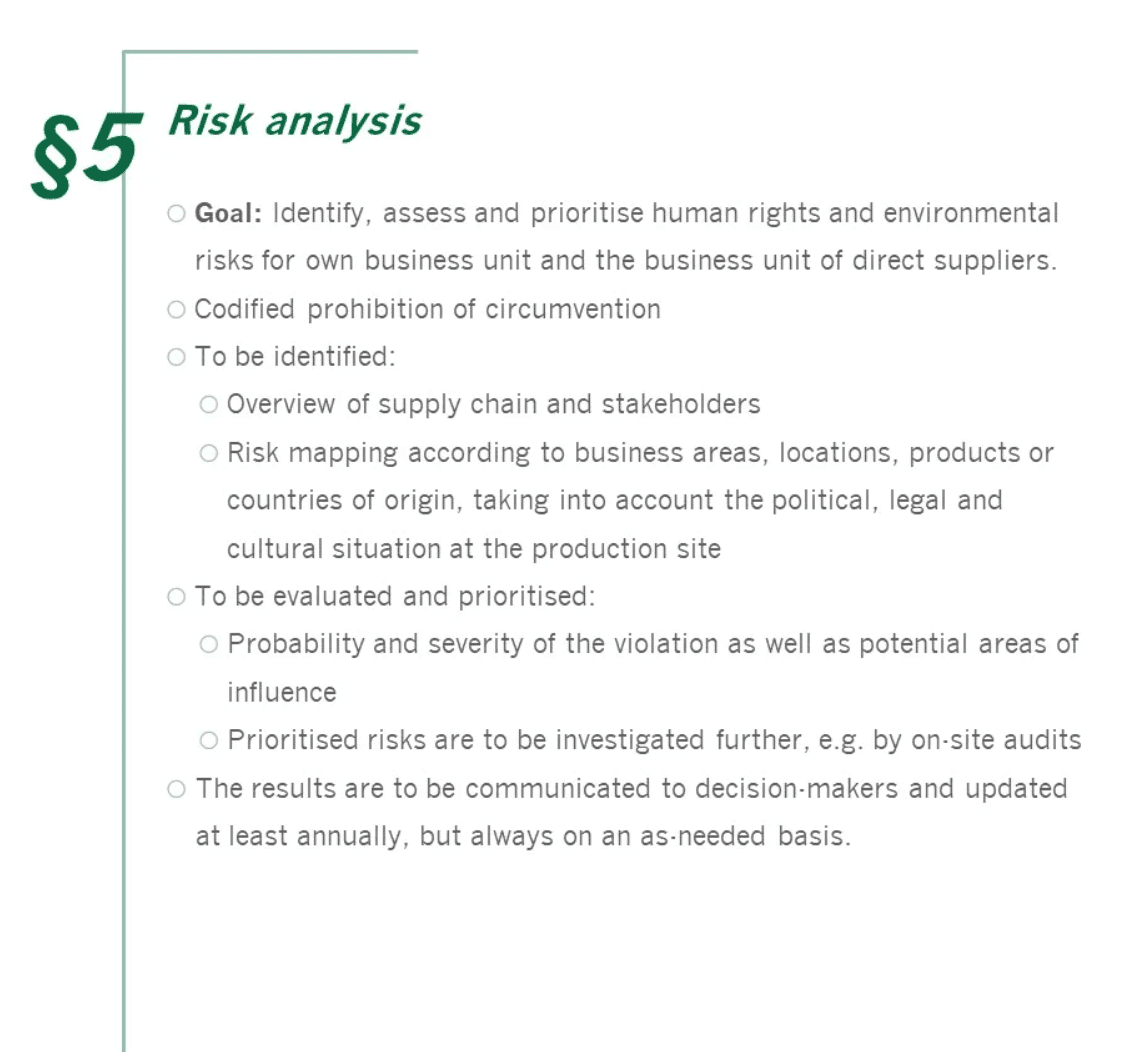
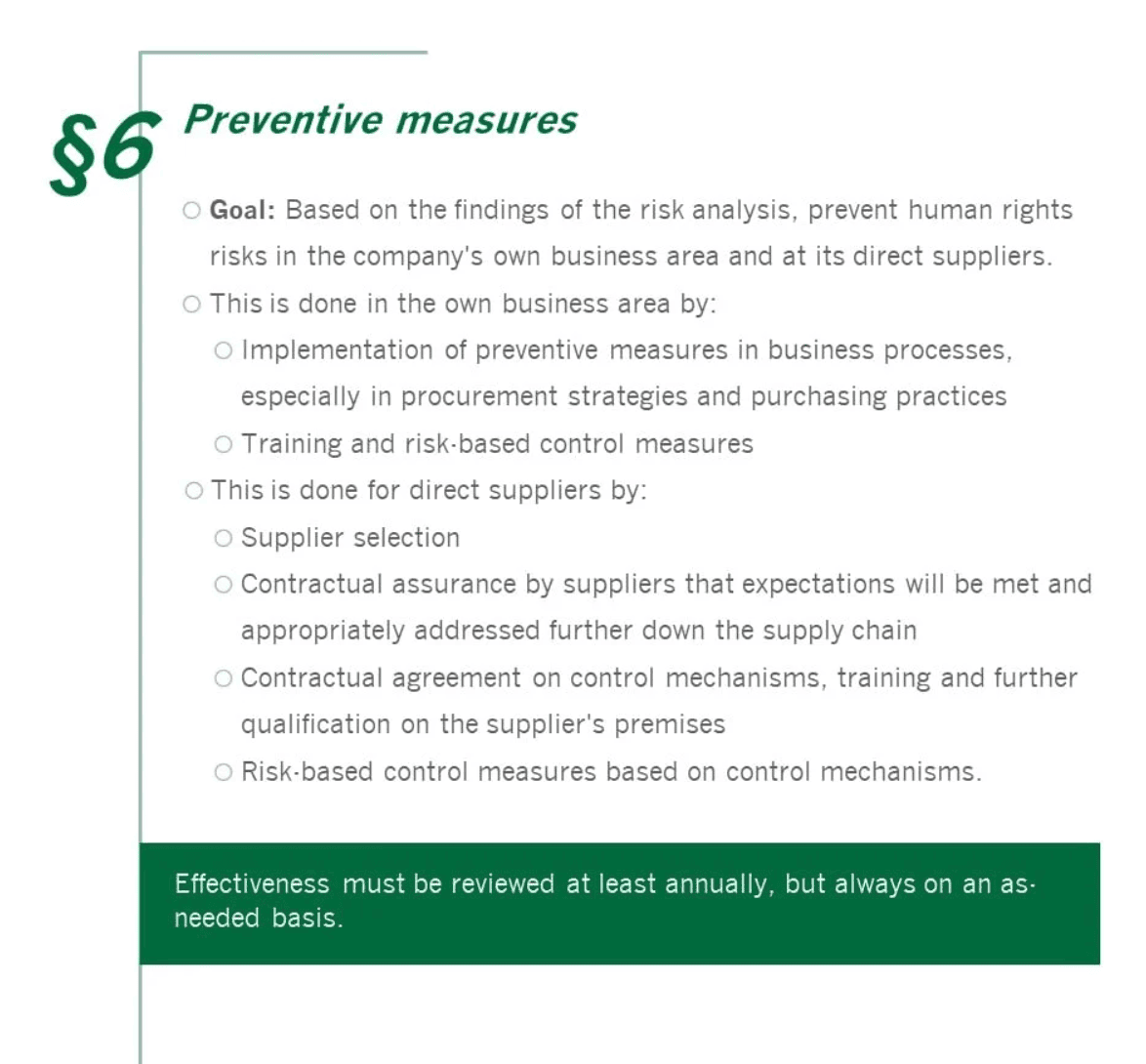
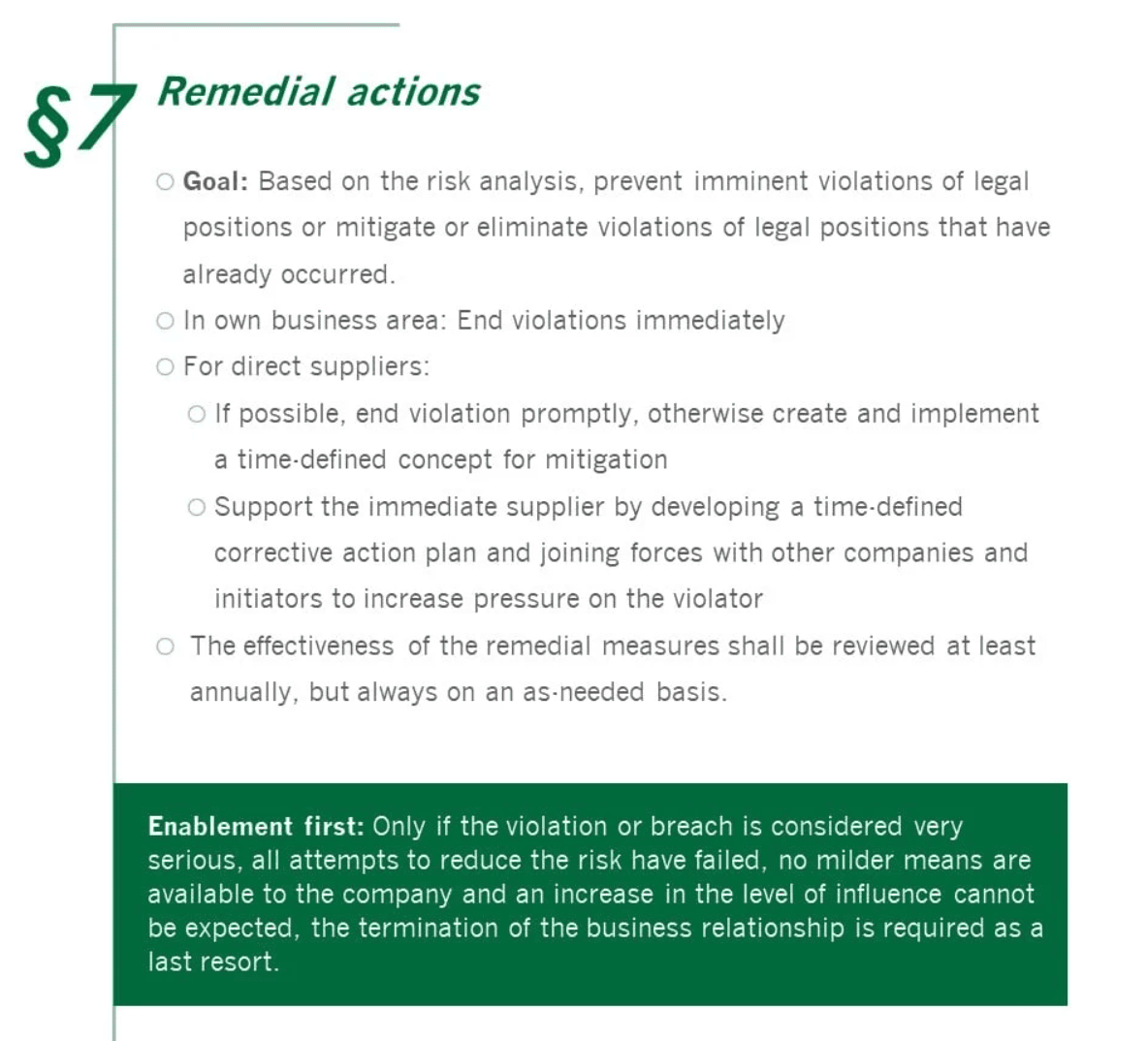
Since 1 January, 2023, the Act on Corporate Due Diligence Obligations in Supply Chains (Lieferkettensorgfaltspflichtengesetz - LkSG) will place an obligation on more than 600 German companies: compliance with human rights and environmental obligations among direct and indirect suppliers will become a mandatory part of entrepreneurial action. The obligation is based on the number of employees: The limit was 3,000 employees in 2023 and 1,000 in 2024. Violations can result in severe fines and unforeseeable damage to a company's reputation. So what needs to be done? Human rights and environmental risks must be identified, assessed and, if possible, eliminated. The adoption of a policy statement, an anonymous complaints system, the definition of preventive and remedial measures as well as the implementation of regular analyses as part of risk management represent the central pillars of the LkSG.
With our broad LkSG service portfolio, BECEPTUM is your partner of choice when it comes to defining and implementing all necessary measures, from gap analysis to employee training.
HOW WE SUPPORT YOU
IMPLEMENTING THE LKSG
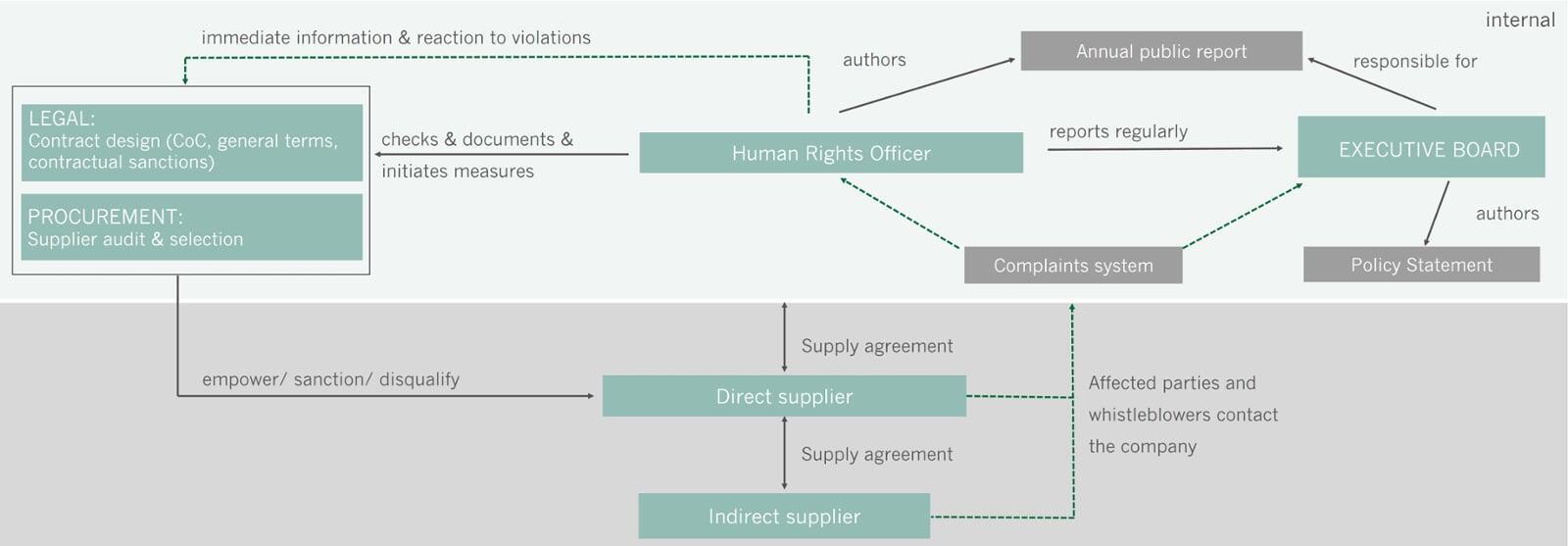
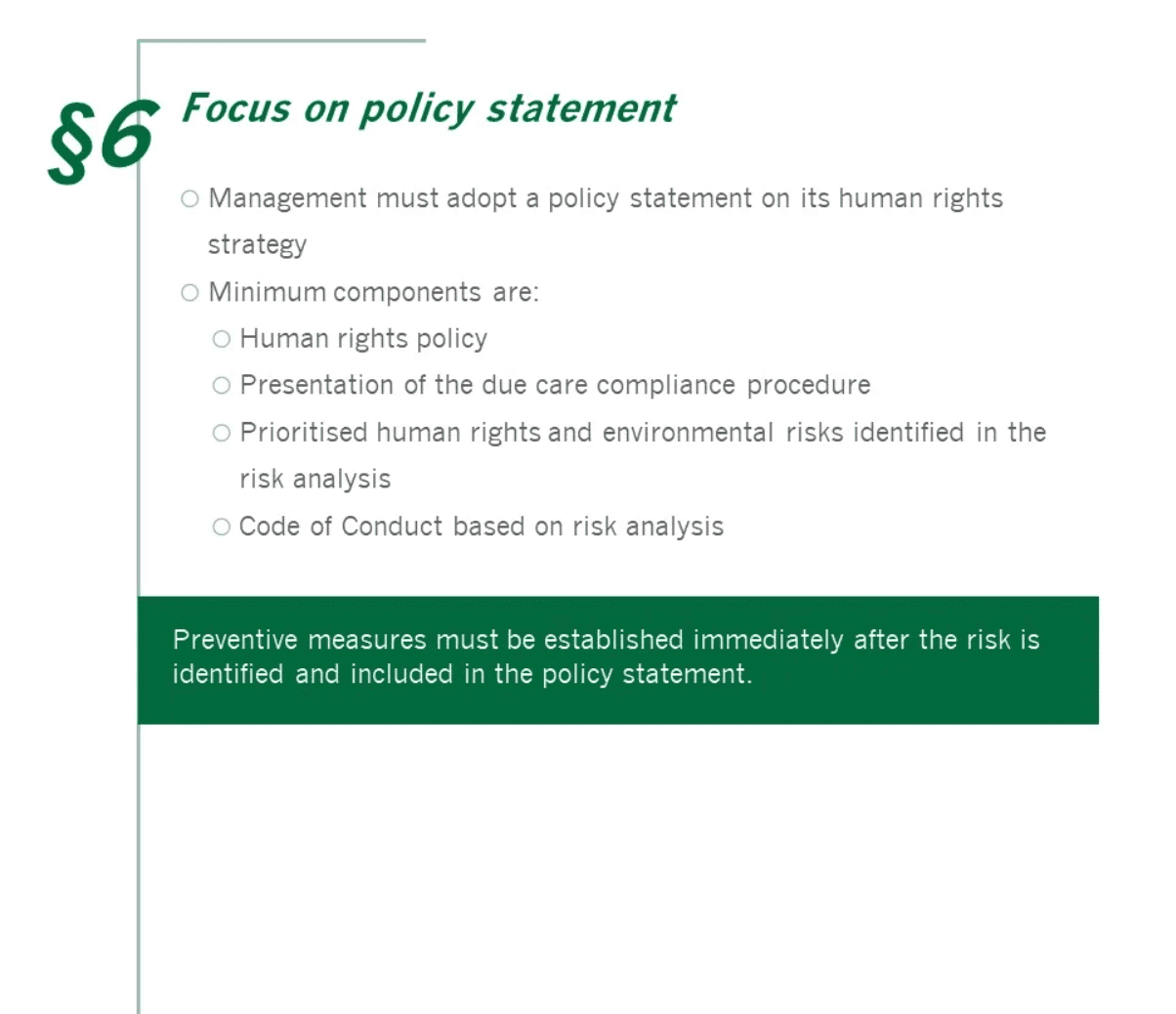
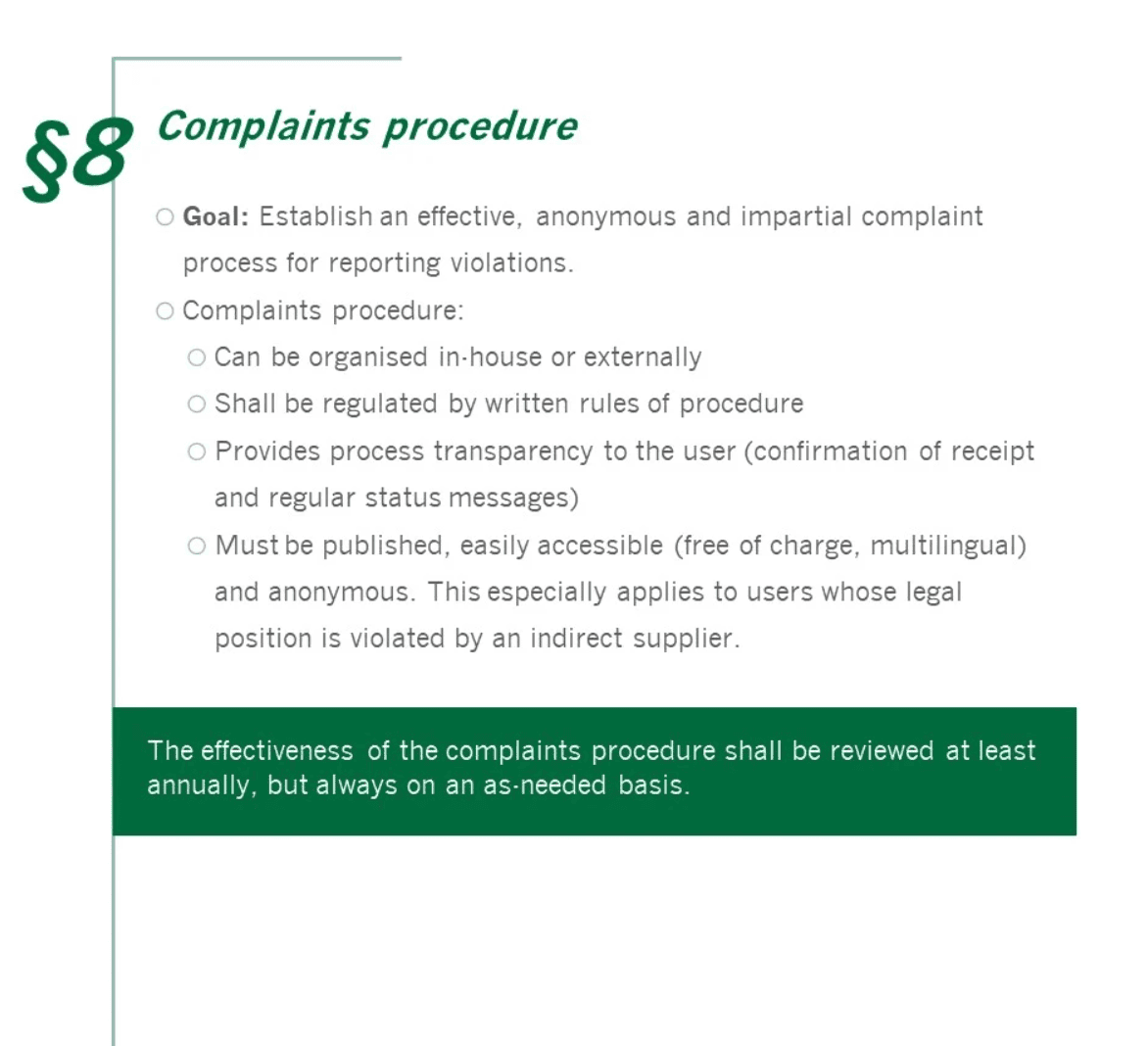
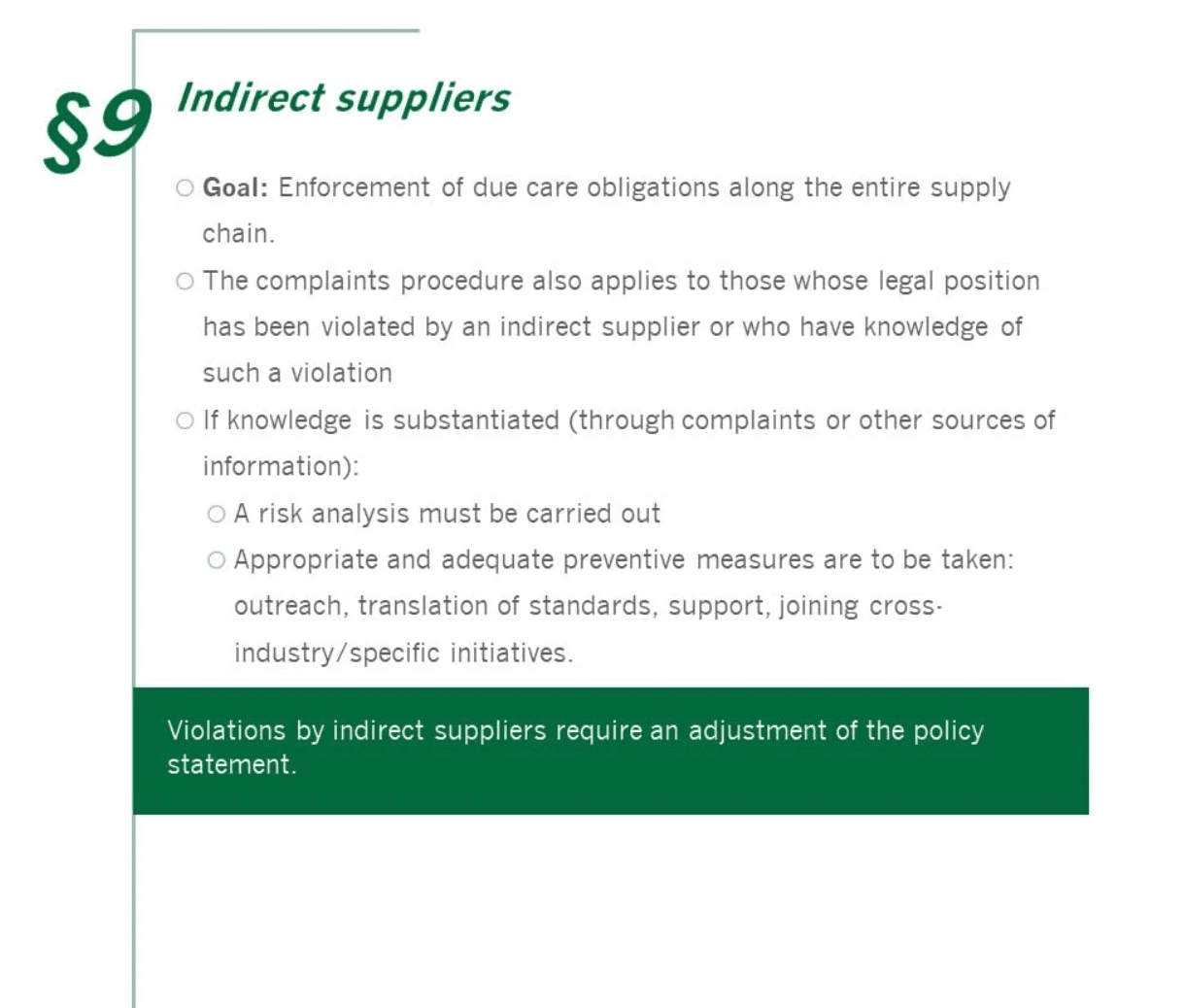
The implementation of the LkSG is a company-wide obligation, thus creating new responsibilities and interfaces. The starting point is the Declaration of Principles which must be adopted by management and which describes the essential features of handling corporate due diligence obligations. The Human Rights Officer is responsible for the implementation of the policy statement and is given far-reaching power and reporting duties for this purpose. To allow for an anonymous and barrier-free reporting of violations of the LkSG by indirect and direct suppliers, the creation of a complaints system will form the centrepiece of the process landscape, together with a structured risk analysis of the supplier portfolio. Procurement and Compliance will therefore become the responsible key units for overarching risk management, defining appropriate preventive and remedial measures. The mandatory regular and ad hoc control of processes and systems can be carried out by the internal Audit department.